
New-model accessory bundle
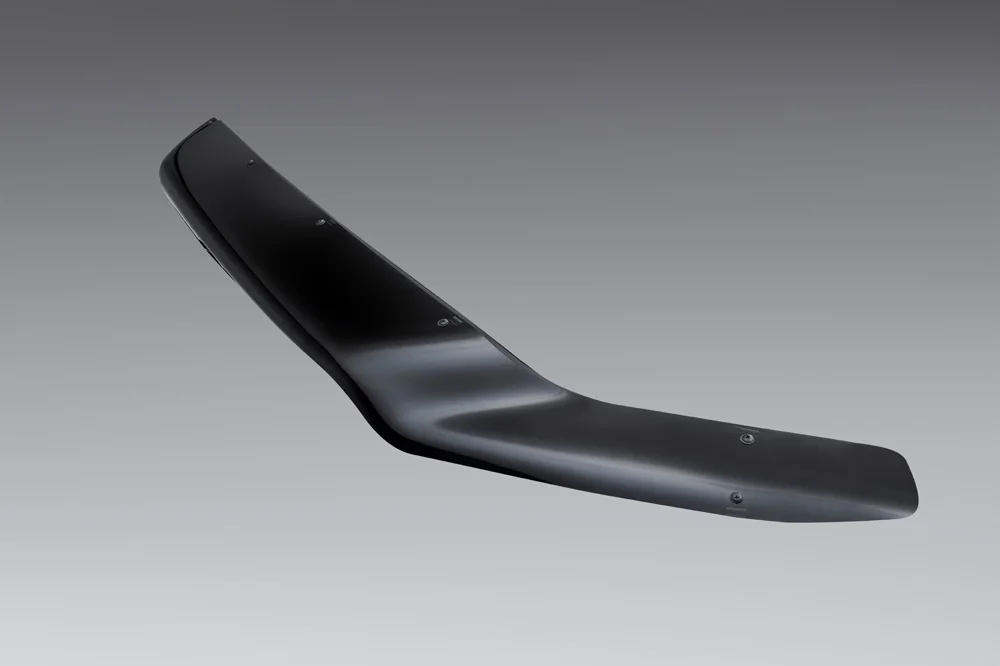
Floor mats, cargo mat and bonnet guard sequenced so the range is ready to move with the vehicle, not after it.
What had to be solved.
Three categories had to be developed against one vehicle at the same time, with different tooling lead times and different interfaces to check.
The risk was sequencing: a bonnet guard can be signed off while the floor mat pattern is still moving, and a cargo mat can be held up waiting for a seat-folding decision that belongs to a different category.
| Categories | Floor mats, cargo, exterior |
| Vehicle type | New model launch |
| Scope | Staged fit-checks |
How the programme ran.
Split the interfaces
Each category was mapped to the part of the vehicle it touches, so work could run in parallel without waiting on unrelated decisions.
Stage the fit-checks
Fit-checks were booked per category against the same vehicle, rather than one combined session that would delay all three.
Hold one approval record
Approvals were recorded per category but held in one programme reference, so nothing was approved twice or approved by assumption.
Plan supply against the dates
Packaging and material ordering were aligned to the launch sequence, not to the first category that finished.
The output, not the promise.
- Three category references approved independently but tracked together
- Fit-check notes per category, recorded against the same vehicle
- Interfaces documented for pedals, tailgate and panel gaps
- Packaging aligned across the bundle
- A single variation process for changes after approval
Three decisions that mattered.
Parallel without chaos
Splitting by interface let three categories move at once without blocking each other.
Nothing approved by assumption
One reference record prevented a decision in one category being treated as approval in another.
Launch sequencing held
Supply and packaging were planned against the launch, not against the fastest category.